The MAONO Wave T1 Mini is a small wireless lavalier system for phone and computer video, with onboard noise controls and app-based voice options.
This maono lavalier microphone review looks at how its USB-C receiver, single-mic setup, and stated battery life fit common creator workflows.
MAONO Wave T1 Mini Review Summary
The quick verdict
1,000+ ratings
Read Amazon ReviewsMAONO Wave T1 Mini
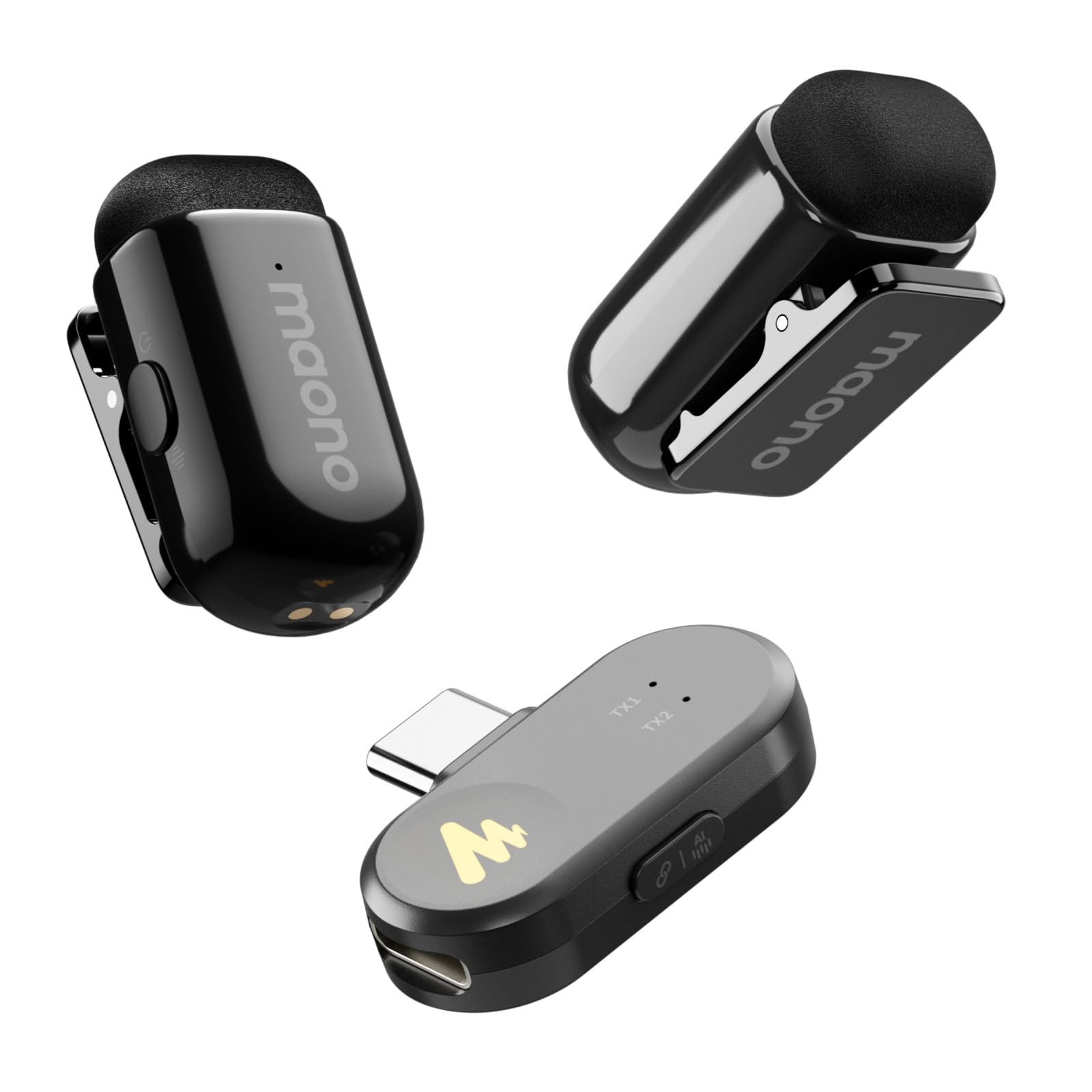
A compact USB-C wireless lavalier for mobile creators who want noise controls, app-based voice effects, and charging while recording.
- Compact wireless lavalier system with a USB Type-C receiver and 2.4GHz connectivity.
- Audio format listed as 48kHz/16-bit, with a 20Hz–20kHz frequency range.
- Noise cancellation controls, 16-level gain adjustment up to 32dB, and smart automatic limiting.
- Maono Link app offers four voice filters, four voice-altering effects, and real-time adjustment of noise reduction and gain.

Pros
- Combines noise reduction and gain controls with automatic limiting for a more adjustable recording workflow.
- The companion app adds voice filters and effects for stylized clips.
Consider before buying
- The receiver uses USB-C, so Lightning devices need a separate OTG-compatible adapter.
- Some Android phones may require OTG to be enabled before pairing.
Read the full review summary
The Wave T1 Mini combines a clip-on transmitter with a USB-C receiver and 2.4GHz wireless connection.
Its feature set is oriented toward creators who record directly to compatible phones, tablets, or computers and want control over noise reduction, gain, and voice effects without building a larger audio rig.
Conveniences include a claimed range of up to 328 feet, up to six hours of use, and receiver charging while recording.
There are setup details to account for: some Android devices may need OTG enabled, while Lightning devices require a compatible OTG adapter. Buyers should check their recording device and port before choosing it.
The buying factors
MAONO Wave T1 Mini Scorecard
Editorial scores reflect listed features and buyer fit; they are not laboratory measurements or customer ratings.
Mobile compatibility
USB-C support covers many current phones and other devices, though Lightning users need an adapter and some Android phones require OTG.
Recording controls
The system offers noise reduction, gain adjustment, automatic limiting, mute, and app-based adjustments.
Creative options
Four voice filters and four voice effects provide options for creators who want to alter their sound.
Battery flexibility
The transmitter and receiver are rechargeable, and the receiver can be charged during recording; transmitter use is listed as up to six hours.
Wireless reach
The stated transmission range is up to 328 feet, useful when the recording setup calls for some distance.
Setup simplicity
Plug-and-play operation is appealing, but pairing steps and device-specific OTG requirements can add setup work.
Key Features and Specifications of MAONO Wave T1 Mini
- Compact wireless lavalier system with a USB Type-C receiver and 2.4GHz connectivity.
- Audio format listed as 48kHz/16-bit, with a 20Hz–20kHz frequency range.
- Noise cancellation controls, 16-level gain adjustment up to 32dB, and smart automatic limiting.
- Maono Link app offers four voice filters, four voice-altering effects, and real-time adjustment of noise reduction and gain.
- Transmitter working time is listed as up to six hours; charging takes about 1.5 hours, and the receiver supports charging while recording.
- Wireless transmission range is listed as up to 328 feet, with an LED status indicator.
- A double tap can remotely trigger photo capture or video recording; compatible device categories include USB-C phones, tablets, action cameras, and Windows or Mac computers.
Pros and Cons of MAONO Wave T1 Mini
Pros
- Combines noise reduction and gain controls with automatic limiting for a more adjustable recording workflow.
- The companion app adds voice filters and effects for stylized clips.
- Receiver charging during recording can help extend a session when a compatible power source is available.
- The stated wireless range gives creators room to position themselves away from the recording device.
Consider before buying
- The receiver uses USB-C, so Lightning devices need a separate OTG-compatible adapter.
- Some Android phones may require OTG to be enabled before pairing.
- Up to six hours of transmitter working time may not cover a long recording day without recharging.
- Pairing requires both units to enter the indicated rapid-flashing mode if initial pairing fails.
Who Should Buy MAONO Wave T1 Mini?
Good fit
Consider the Wave T1 Mini if you record short-form videos, interviews, meetings, or streams with a compatible USB-C device and want controls beyond a basic clip-on mic.
Noise reduction and gain adjustment give you ways to tune the input for different recording spaces, while the app effects suit creators who want a more stylized voice.
It may also suit mobile creators who sometimes need to move away from the phone.
The claimed range is generous on paper, and receiver charging during recording is a practical option for sessions that run past the transmitter's normal charge window.
Confirm the receiver connection works with your intended recording app and device before an important shoot.
For a simpler start, follow the pairing indicators carefully and test the full setup before recording. If your Android device requires OTG, enable it before pairing; if you use Lightning, make sure the adapter supports OTG.
Who should skip it
Skip this setup if you need a two-person microphone kit: the supplied product details describe a single clip-on microphone system, not a dual-transmitter package.
Look elsewhere if your workflow depends on a direct Lightning receiver with no adapter, or if you routinely record sessions longer than the listed maximum battery window without access to charging.
How the MAONO Wave T1 Mini Fits Mobile Recording
USB-C connection and setup
A receiver that plugs into USB-C keeps the recording chain compact for compatible phones and tablets. The port remains the key buying check: Lightning devices need an OTG-capable adapter, and certain Android phones may need OTG enabled.
Test the actual device and app you plan to use before relying on the mic for a scheduled recording.
Controls for variable surroundings
Noise reduction, gain adjustment, and automatic limiting address different parts of the input workflow. The app offers real-time adjustment, while the device also has a one-click noise-reduction control.
These options can help tailor a setup to changing environments, but they do not guarantee that every room or background sound will be handled equally.
Range and power planning
A stated range of up to 328 feet offers flexibility for a creator who needs distance between the subject and the phone. Actual usability will depend on the recording environment and setup.
The listed transmitter runtime is up to six hours, so longer shoots call for a charging plan; the receiver's ability to charge while recording adds one useful option.
Voice effects and remote capture
The Maono Link app's filters and voice-altering effects make the system more flexible for creative clips than a mic focused only on capture. Remote triggering for photos or video can also reduce handling of the recording device.
These are workflow extras; prioritize connection, placement, and a test recording if clear speech is the main goal.
Alternatives to MAONO Wave T1 Mini
Battery-focused alternative
200+ ratings
Read Amazon ReviewsSmallRig Wireless Mic S70
Choose the MAONO if a single-mic USB-C setup and app voice effects suit your workflow.
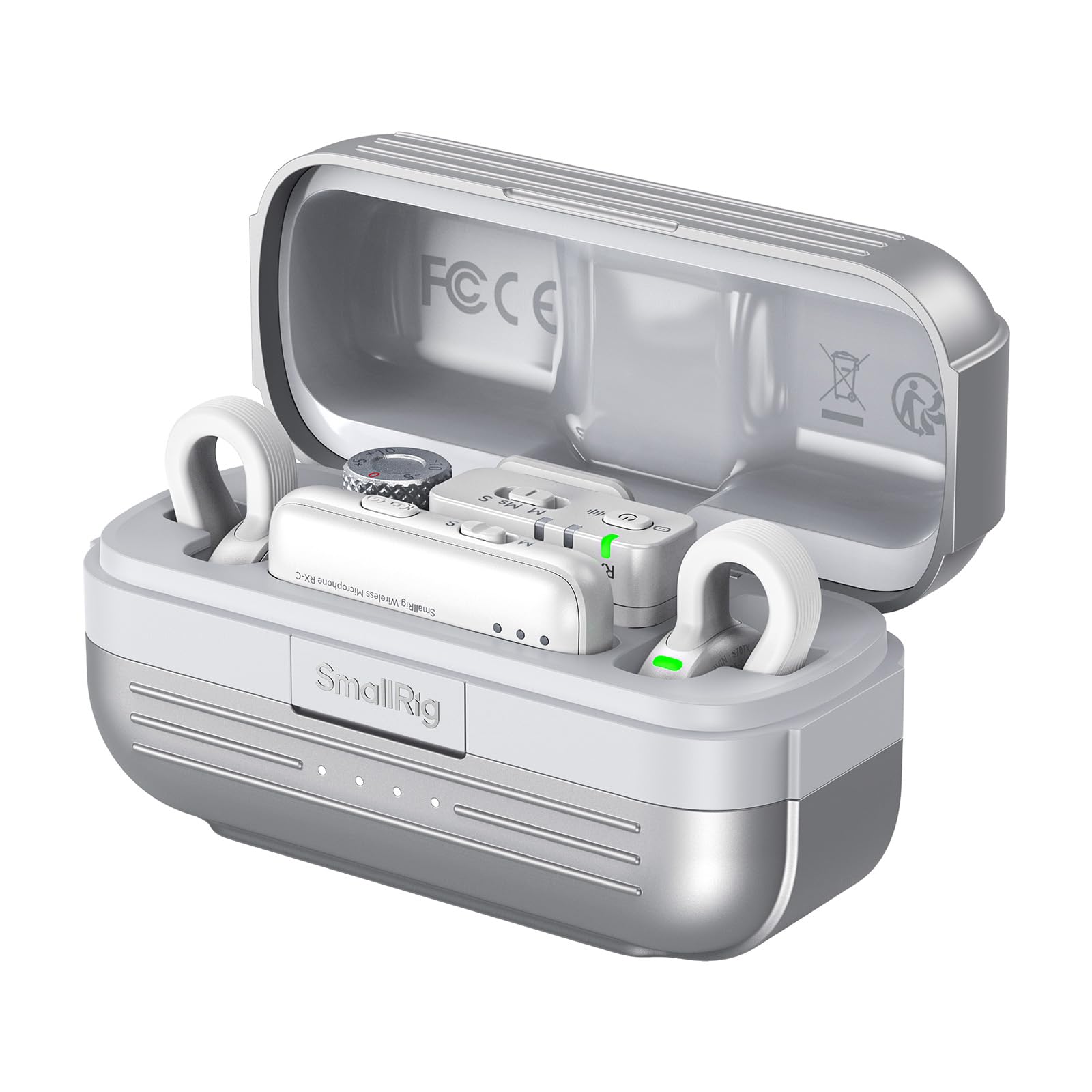
The SmallRig is a stronger fit for two-person recording or buyers who want a charging case and more connection options, though its package is a more involved system.
- The SmallRig S70 package includes two transmitters, two receivers, and a charging case.
- It supports USB-C and 3.5mm connections, offers mono, safety-track, and stereo mixing modes, and lists up to eight hours per charge and over 40 hours with the case.
- The MAONO Wave T1 Mini is a compact single-mic system with a USB-C receiver, app-based voice effects, and up to six hours of listed transmitter use.
Battery-focused alternative
3,000+ ratings
Read Amazon ReviewsMAYBESTA Wireless Mini Microphone WM350
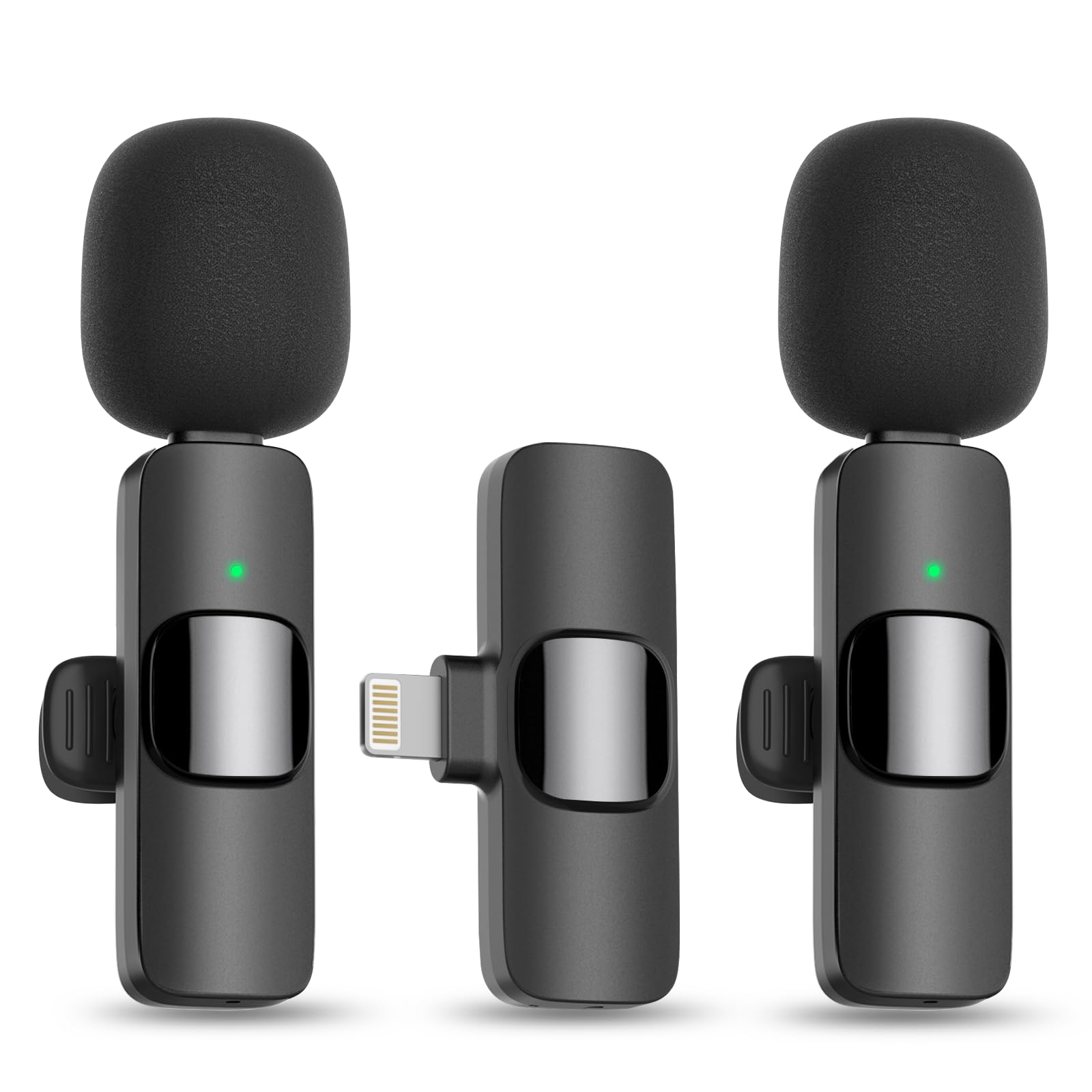
The MAYBESTA may suit an older Lightning iPhone user who needs two microphones and wants a direct Lightning connection. The MAONO better fits USB-C users looking for app controls and a longer stated range; check port compatibility first.
- The MAYBESTA WM350 is designed for Lightning-port phones and includes two microphones with one receiver.
- Its stated range is up to 50–65 feet and working time is about five to six hours.
- The MAONO uses a USB-C receiver and includes app-based sound adjustments and voice effects; Lightning users need an OTG adapter.
Is MAONO Wave T1 Mini Worth It?
The MAONO Wave T1 Mini is worth considering for mobile creators who want a compact USB-C wireless mic with adjustable noise and gain controls, app-based voice effects, and receiver charging during recording.
Its single-mic design and up-to-six-hour transmitter runtime make it best suited to individual creators planning sessions around that power window.
Check device compatibility and test pairing before buying, especially if you use Lightning or an Android phone that may need OTG enabled.
If those setup details fit your workflow, the mix of recording controls, remote capture, and stated wireless reach makes this a capable feature-rich option for phone video.
Your review at a glance
1,000+ ratings
Read Amazon ReviewsMAONO Wave T1 Mini
A compact USB-C wireless lavalier for mobile creators who want noise controls, app-based voice effects, and charging while recording.
- Compact wireless lavalier system with a USB Type-C receiver and 2.4GHz connectivity.
- Audio format listed as 48kHz/16-bit, with a 20Hz–20kHz frequency range.
- Noise cancellation controls, 16-level gain adjustment up to 32dB, and smart automatic limiting.
- Maono Link app offers four voice filters, four voice-altering effects, and real-time adjustment of noise reduction and gain.